Knowing this list of when to call your doctor after giving birth can literally save your life. Never ignore warning signs something might be wrong after giving birth. Giving birth is one of the most transformative experiences in a woman’s life—but it also puts tremendous strain on your body (yea mom, your body is supernatural). While many postpartum symptoms are normal and part of recovery, some can signal possible complications that need immediate medical attention.
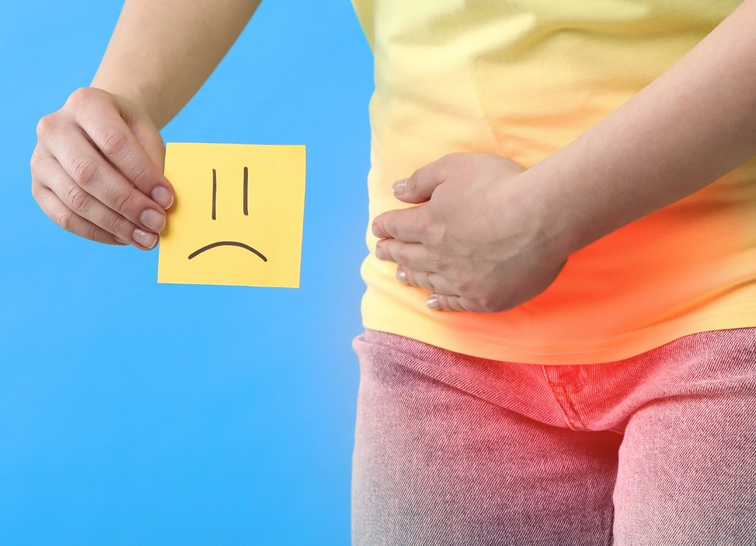
- Feelings of Hopelessness, Anxiety, or Not Bonding with Baby
- Heavy or Prolonged Bleeding (Postpartum Hemorrhage)
- Fever or Chills
- Chest Pain, Shortness of Breath, or Coughing Up Blood
- Severe Headaches or Vision Changes
- Pain, Swelling, or Redness in One Leg
- Worsening Perineal or Vaginal Pain
- Burning or Pain When Urinating
- Persistent Pain, Hemorrhoids, or Fissures
- Difficulty Breathing, Swelling, or Rapid Weight Gain
Below is a detailed, fact-based guide explaining what’s normal, what’s not, and when to reach out for medical help during the postpartum period.
Regular postpartum recovery “down there” after birth care is part of the normal healing, but some uncomfortable symptoms just shouldn’t be part of that process. Follow your gut, listen to your body, and it’s always better to be safe, check-in with a professional, than have a problem or something get worse.
Feelings of Hopelessness, Anxiety, or Not Bonding with Baby

I put this at the top of the list because baby blues can be normal. When you give birth sometimes it’s not always just cuddles and smiles. It’s a lot of crying! You don’t even know why you are crying, but the change is dramatic and hormones are rollercoastering. Listen to your mind and body during this time to see if you need to reach out to someone.
Call your doctor or a mental health professional if:
- You feel persistently sad, empty, or anxious.
- You have trouble sleeping or eating, even when you can.
- You feel detached from your baby or fear you’ll harm yourself or your baby.
Why it matters: These are signs of postpartum depression or anxiety, which affect up to 1 in 7 mothers. Treatment is available, and reaching out early makes recovery faster and safer.
If you ever have thoughts of self-harm, call 988 (Suicide and Crisis Lifeline) or go to your nearest emergency room.
Heavy or Prolonged Bleeding (Postpartum Hemorrhage)
Normal: Light to moderate bleeding called lochia for up to 4–6 weeks after delivery. It should gradually lighten in color—from bright red to brown to yellowish-white.
Call your doctor immediately if:
- You’re soaking more than one pad per hour.
- You pass blood clots larger than a golf ball.
- Bleeding suddenly gets heavier after slowing down.
- You feel dizzy, weak, or faint.
Why it matters: These may be signs of postpartum hemorrhage, a serious complication that can occur even weeks after delivery due to retained placenta or uterine atony.
Fever or Chills
Temperature fluctuations might occur in the first 24 hours. However…
Call your doctor if:
- Your temperature is 100.4°F (38°C) or higher.
- You have chills, muscle aches, or feel flu-like.
- The area around a C-section incision or vaginal tear feels hot, red, or swollen.
Why it matters: Fever could indicate infection—in the uterus (endometritis), breasts clogged milk ducts (mastitis), urinary tract, or at the incision site. Possible early treatment with antibiotics is important.
Chest Pain, Shortness of Breath, or Coughing Up Blood
Call 911 immediately if:
- You experience chest pain, shortness of breath, rapid heartbeat, or coughing up blood.
Why it matters: These can be signs of a pulmonary embolism (PE)—a blood clot that has traveled to the lungs. The risk for blood clots is highest in the first six weeks postpartum, especially after a C-section or prolonged bed rest.
Severe Headaches or Vision Changes

Call your doctor right away if:
- You have a sudden, severe headache that doesn’t improve with pain medication.
- You see flashing lights, blurred vision, or experience swelling in your face or hands.
Why it matters: These symptoms can be warning signs of postpartum preeclampsia, a condition involving dangerously high blood pressure that can develop after birth.
Pain, Swelling, or Redness in One Leg
Call your doctor if:
- One leg becomes warm, tender, swollen, or red compared to the other.
Why it matters: This can indicate a deep vein thrombosis (DVT)—a blood clot in the leg that can lead to a pulmonary embolism if not treated promptly.
Worsening Perineal or Vaginal Pain
The healing of this area takes time, but it shouldn’t be burning, hot, or swollen.
Call your doctor if:
- Pain becomes worse instead of better over time.
- You notice foul-smelling discharge, yellow pus, or swelling.
- Stitches or incisions open or appear infected.
Why it matters: Infection or wound separation can occur after vaginal tears, episiotomies, or C-sections. Prompt care prevents further complications.
Burning or Pain When Urinating
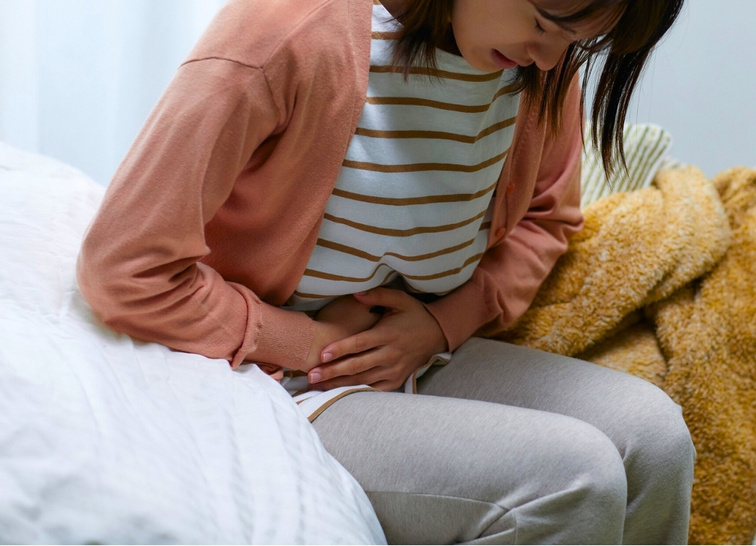
Pregnancy and postpartum cause hormones and the flora in your body to do all kinds of things. UTI’s happen and sometimes there isn’t always a fever. However, don’t ignore signs you could have a UTI.
Call your doctor if:
- You experience burning, urgency, or difficulty peeing.
- You see blood in your urine.
- Lower back aching and sensitivity where your kidneys are.
- Fever
Why it matters: These are signs of a urinary tract infection (UTI), which can spread to the kidneys if untreated. It’s really important to treat UTI’s right away!
TIP: UTI’s can happen anyways, but always stay very hydrated, eat balanced foods, and when you pee…empty the bladder. Give yourself a little more time and bend slightly forward to try to get all the pee out.
Persistent Pain, Hemorrhoids, or Fissures
Call your doctor if:
- Hemorrhoid creams and sitz baths don’t relieve pain within a week.
- You notice bleeding that isn’t from your vagina or cracks in the anal area.
- Bowel movements are extremely painful or you feel a lump that won’t go away.
Why it matters: Severe hemorrhoids or anal fissures may require medical treatment, topical medication, or minor procedures to heal properly.
TIP: Eating fiber like some prunes can help relieve constipation which worsens these symptoms. Stay very hydrated and eat a balanced diet. Ask your doctor about stool softeners to take just for a very short time to help while you are healing from childbirth.
Difficulty Breathing, Swelling, or Rapid Weight Gain
Call your doctor if:
- You experience shortness of breath, even when resting.
- You have sudden swelling in your hands, feet, or face.
- You gain more than two pounds a day unexpectedly.
Why it matters: These can indicate fluid overload, postpartum preeclampsia, or heart failure (peripartum cardiomyopathy), a rare but serious condition that requires immediate care.
You Just Feel Something Isn’t Right
Even if your symptoms don’t match any of the above, trust your instincts. Postpartum women often minimize pain or discomfort, but you know your body best.
If you feel weak, dizzy, disoriented, or simply “off,” it’s always safer to call your healthcare provider.
When in Doubt—Get Checked
You should contact your doctor or go to the ER immediately if you experience:
- Heavy bleeding or passing large clots
- Chest pain or shortness of breath
- Severe headaches or vision problems
- Fever over 100.4°F
- Signs of infection or wound pain
- Thoughts of self-harm or extreme sadness
The postpartum period is a time of massive change—physically, mentally, and emotionally. Even mild symptoms can escalate quickly, so it’s always better to get checked early. Your healthcare team is there to help you heal safely and completely.
 Pregnancy and Nursing
Leave a comment