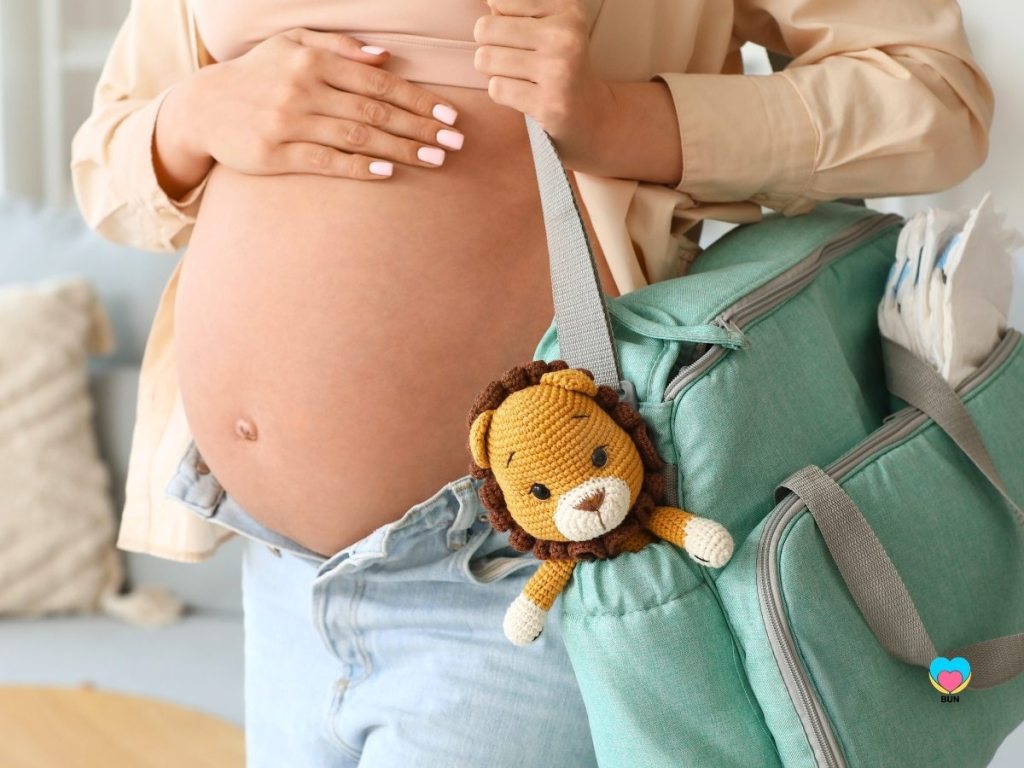
What should I pack in my hospital bag is something mom-to-be needs to know by week 38 of your pregnancy so you can be prepared to go to the hospital with the essentials for you, your new baby (or babies), and leave out the unnecessary items. This straightforward hospital bag list gives you the must-have items, comfort items, breastfeeding or pump items, emergency things, and logistic stuff that you don’t want to be without. A printable list for what to pack in my hospital bag is included.
- When Should You Pack Your Hospital Bag?
- Hospital Bag Essentials for Mom
- Hospital Bag Checklist for Baby
- Breastfeeding & Pumping Items to Pack
- Comfort Items That Make a Difference
- Partner or Support Person Packing List
- Important Documents & Logistics
- What NOT to Pack in Your Hospital Bag
- Best Tips for Packing Your Hospital Bag
- Printable Hospital Bag Checklist
- FAQs
What should I pack in my hospital bag is one of the most common questions moms-to-be ask as they approach the final weeks of pregnancy. By the final week, your hospital bag should be packed and ready so you can focus on labor, delivery, and meeting your baby—without scrambling or forgetting essentials.
Having even a small bag with essentials will create more comfort during a time that is up and down and a true life-changing event. I’ll help you learn what to pack in your hospital bag. Let’s go!
After packing a birth bag more than once…I have honed this list down to non-negotiables and added some other things you will love to have that you might not have thought of.
This hospital bag list covers exactly what you need and also helps you leave out unnecessary items that often clutter hospital bags.
When Should You Pack Your Hospital Bag?
- Ideal time: Between weeks 35–38
- Latest: By week 38
- If you’re high-risk, carrying multiples, or have a planned induction or C-section, pack earlier.
- Keep the bag near the door or in your car trunk so it’s ready to go.
- Plan on ONE bag so you don’t forget anything. A gym duffel is actually perfect or a rolling carry-on suitcase, so there’s no heavy lifting.
- This allows your partner or yourself to find things more easily.
Hospital Bag Essentials for Mom
These are the non-negotiables—items you’ll truly use during labor and postpartum recovery.
Clothing
You don’t need a labor gown unless you really want one, but the hospital one is fine and actually breathable and you won’t need to worry about washing/cleaning it and many more reasons why buying a labor gown is nice, but not necessary.
Personally, I liked the hospital gown because it’s cotton and didn’t stick to my skin. It’s all open, which honestly, is what you need if you’re having your baby in a hospital.
- 2 loose, breathable pants or skirts for after delivery, such as pajama pants or very loose cotton pants with no or light elastic.
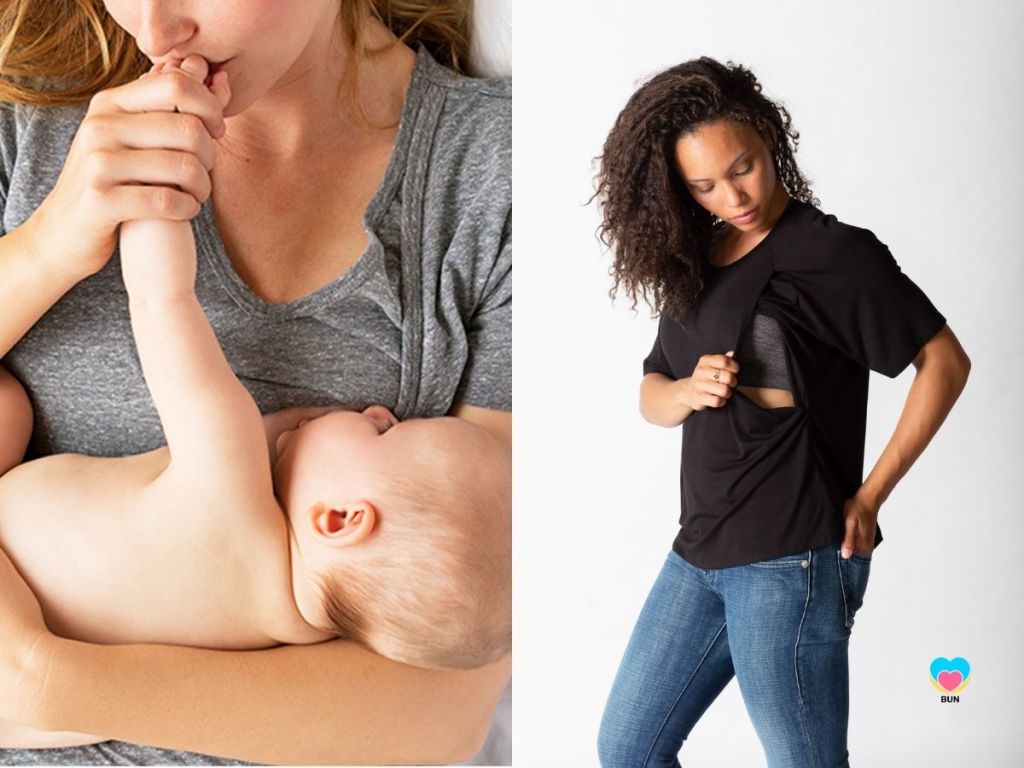
- 2 comfy breastfeeding pumping shirts. This allows skin to skin, feeling comfy when people are in and out of the room, and overall ease for you so you don’t need to fuss about the top you are wearing to feed the baby.
- You will want this access and also skin-to-skin time.
- Right after birth, when you get to your room to rest with your baby this will be the first thing you will put on. A breastfeeding top is a non-negotiable for more ease and comfort.
- 1 sport bra or loose bra of choice that is nursing-friendly. Avoid wires. This is important because wires are not comfortable when nursing and can cause clogged milk ducts or be fussy to wear.
- Non-slip socks or slippers – The hospital gives socks, but it’s not a bad idea to have an extra pair. Cozy socks with pads on the bottom are ideal. Don’t spend too much on these because you might just want to get rid of them anyway.
- Comfortable underwear that is large, forgiving, and disposable. Yes, the hospital has those mesh disposable undies, but a cotton pair over that, or as you transition out of that is important.
- A pack is best, and be sure they fit, and you won’t care about throwing them away as needed.
- You will need this kind of underwear for at least a week after the baby is born.
- Going-home outfit (loose, soft, forgiving) – You just need one sport bra or bra of choice, a breastfeeding top, and loose pants.
- You can also use a loose cotton dress and that works well for the trip home.
- Be sure you feel comfy and there is nursing access so when you arrive home you can feed baby if you plan to do so.
- In your bra, be sure to place nursing pads to absorb breastmilk in case you leak on the way home.
- 1 pair Flip Flops or Comfy Shoes – Just bring one that you can wear at the hospital and also go home in. No need to bring multiple shoes.
Toiletries & Personal Care
You can check what the hospital provides, but they usually have a shaver and toothbrush, and toothpaste. Otherwise, these are the basics. It’s not a lot and you will love having your toothbrush with you and some hair ties.
Get a small, very simple mesh bag for these items…not something bulky and with lots of pockets. This is not going to be your normal makeup bag.
- Toothbrush, toothpaste
- Hair brush – The one at the hospital isn’t great so I nice hair brush just feels good
- Hair Ties
- Dry shampoo
- Fragrance-free body soap – something to cleanse but not irritate your skin or get on the newborn’s skin
- Face wash, moisturizer, lip balm (hospital air is dry)
- Glasses or contacts + case
- Deodorant
- Minimal makeup (optional) – BB cream does wonders and you want to avoid getting cosmetics on the baby so keep it natural as possible.
Recovery Must-Haves
- shower sandals
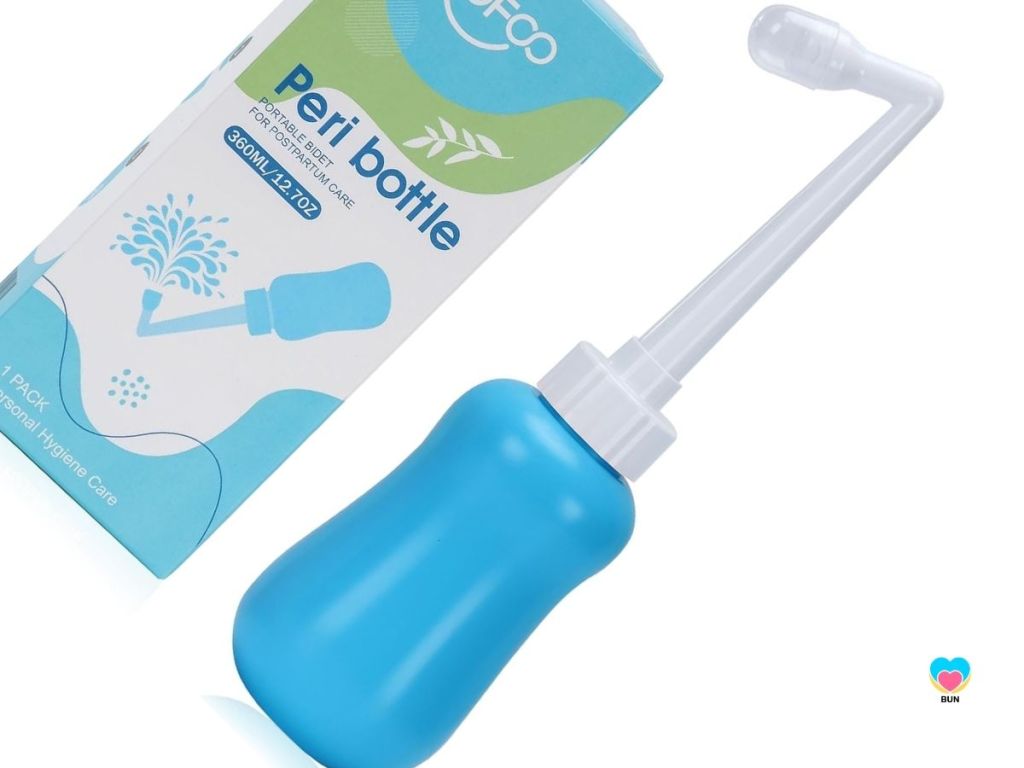
- Peri bottle (hospital provides one, but some prefer their own) – If you are having a vaginal birth this is a must have and you’ll be glad you have it. Fill it with witchhazel and water or just a small dab of soap and warm water. It’s a need to have soothing essentials after childbirth for down there care.
- Nipple cream (if breastfeeding) – Check, but the hospital usually provides this. You will really need this for comfort!
- Refillable water bottle – Get the breastmilk flowing and you’ll want some lactation boosting snacks as soon as you can get them.
Hospital Bag Checklist for Baby
Hospitals provide most baby essentials, so keep this section simple.
- 1 Going-home outfit (newborn + 0–3 months just in case) – Think cotton, easy, simple. Avoid all kinds of itchy things, glitter, and buttons. Baby has been naked since birth, so clothes with lots of bling are not their thing.
- 1 Swaddle blanket (optional) – The hospital usually provides a swaddle blanket
- 1 Newborn Pacifier (optional) – The hospital usually provides these, but check first. This can help with the car ride home if you choose to give your baby a pacifier.
- 1 Newborn Hat (optional) – They get cold so a little baby beanie is great, but also check that the hospital provides this.
- 1 Baby socks (optional)
- 1 Baby mittens – This is so they don’t scratch their face.
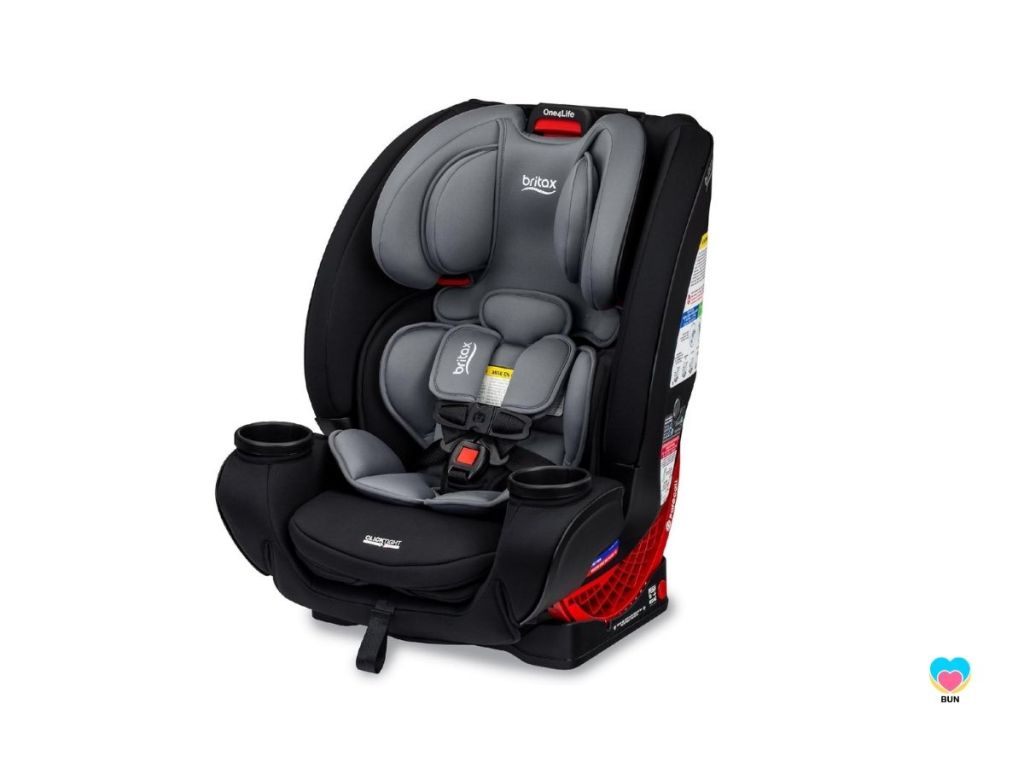
- Infant car seat (installed ahead of time) – Non-negotiable
Newborn Diapers, wipes, and basic baby care items are typically provided by the hospital. When you get home, have a small pack of NB and size 1 diapers handy.
Breastfeeding & Pumping Items to Pack
If you plan to breastfeed, pump, or combo feed, these items can make a big difference.
- Nursing bras or easy lift up sports bras (1–2)
- Comfortable nursing tanks
- Nursing pads (disposable or reusable) – Helps with leaking at night and during the day as well
- Nipple cream or balm
- Hands-free pumping bra (if pumping)
- Breast pump (only if advised—many hospitals provide one) Get your free breast pump with insurance here before your child’s birth
- Breast milk storage bags (optional)
- Formula, a bottle, bottle nipples – check with the hospital what they will provide you if you choose to supplement or bottle feed your child
Pro tip: Comfortable, easy-access nursing tops are especially a game-changer during frequent feeds and lactation visits.
Comfort Items That Make a Difference
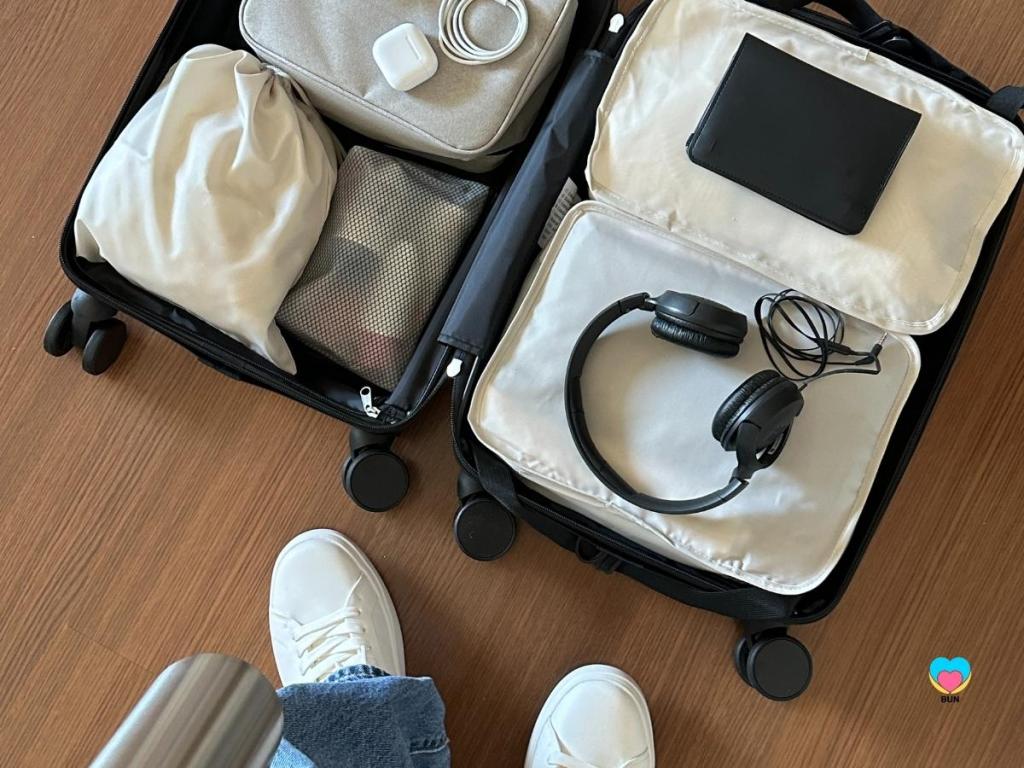
These aren’t essential—but many moms are glad they packed them.
- Pillowcase from home
- One reusable bag to bring home the extras from the hospitals (diapers, wipes, postpartum things, etc)
- Your own comfy small blanket
- Phone charger with extra-long cord
- Playlist, audiobook, or meditation app
- Snacks (labor-friendly and postpartum-approved)
- Breastfeeding pillow – I used pillows at the hospital and also a nursing pillow. Both do the job, so if you have space, then bring one, but if not, it’s not as necessary.
- As a super optional, but cute bonus item, I loved having Sophie the Giraffe for my babies when they were born and also a pacifier with a little soothie stuffie attached. These were so darling and maybe in some way was sweet for my babies too when they wanted to hold onto something.
Partner or Support Person Packing List

Your support person will likely stay long hours—sometimes overnight. Have them have a separate bag for themselves with minimal items so it’s fast and easy and doesn’t get mixed up with your things.
If possible, have your support person help you with packing your hospital bag to give you more ease in this adventure.
Best advice: have them keep this in the car already so they do not forget.
- Comfortable clothes to change into and 1 sleepwear outfit
- Toiletries
- Phone charger
- Snacks and water bottle
- Cash or card for hospital cafeteria or vending machines
- Light blanket or pillow
Important Documents & Logistics
Don’t skip this section—it’s easy to forget.
- Photo ID
- Insurance card
- Hospital paperwork or pre-registration forms
- Birth plan (printed or digital)
- List of emergency contacts
- Pediatrician’s name and contact info – Get this planned out before baby comes and typically your first appointment for your newborn is already set or will be set soon as you get home.
What NOT to Pack in Your Hospital Bag
You can leave these at home:
- Large amounts of baby clothes
- Fragrances, lotions, hair gels, and sprays
- Diapers and wipes (hospital provides)
- Excess postpartum supplies – The hospital has peribottle, wipes, pain-relieving spray, socks, and more for you. Check with them if you are unsure but don’t bring what they already provide for you.
- Jewelry or valuables
- Breastfeeding pillows (bulky; optional) – It’s nice to have, but pillows also work at the hospital. This was mentioned in the comfort items list, but it really is optional.
- Hair tools and heavy makeup kits
Less stuff = less stress when it’s time to go home.
Best Tips for Packing Your Hospital Bag
- Use packing cubes or zip pouches to stay organized
- Label or have a way to distinguish sections: “Mom,” “Baby,” “Breastfeeding”
- Have your partner pack a separate small bag if that applies to you.
- Leave room for items the hospital sends home (pads, baby items) or bring an extra reusable bag. Bringing a bag was mentioned in the “comfort items” section.
Printable Hospital Bag Checklist
To make this even easier, I’ve created a printable hospital bag checklist you can save, print, or keep on your phone.
This checklist ensures nothing important is forgotten when labor starts.

FAQs
Do I really need to bring a hospital bag?
Yes—while hospitals provide basics, personal comfort items and documents are essential.
How long will I be in the hospital?
Typically:
- Vaginal birth: 1–3 days
- C-section: 2–4 days
Pack accordingly.
Can I pack more than one bag?
Yes. Some families bring:
- One bag for labor and delivery
- One bag for postpartum and baby
Keep in mind, the more bags might be the more hassle. Ideally, have one bag for you and one for your partner’s things. Have extra bags already in the car so nothing is forgotten.
What if I forget something?
Don’t stress—most items can be brought later or purchased nearby.
Packing your hospital bag ahead of time gives peace of mind during the final weeks of pregnancy. With this complete hospital bag list, you’ll arrive prepared, comfortable, and focused on what truly matters—welcoming your baby.
 Pregnancy and Nursing
Leave a comment