This is your go-to list of 20 newborn sensory activities (0–3 months) that is safe, fun, easy, and calming for you and your new baby. These very doable activities for newborn life include simple, developmentally appropriate ideas you can do at home using everyday items. This is not the time to just leave your child in the bassinet to stare at the ceiling. Caregivers should engage, talk, and hold their newborns as much as possible and these sensory newborn activities are all things you can start with today.
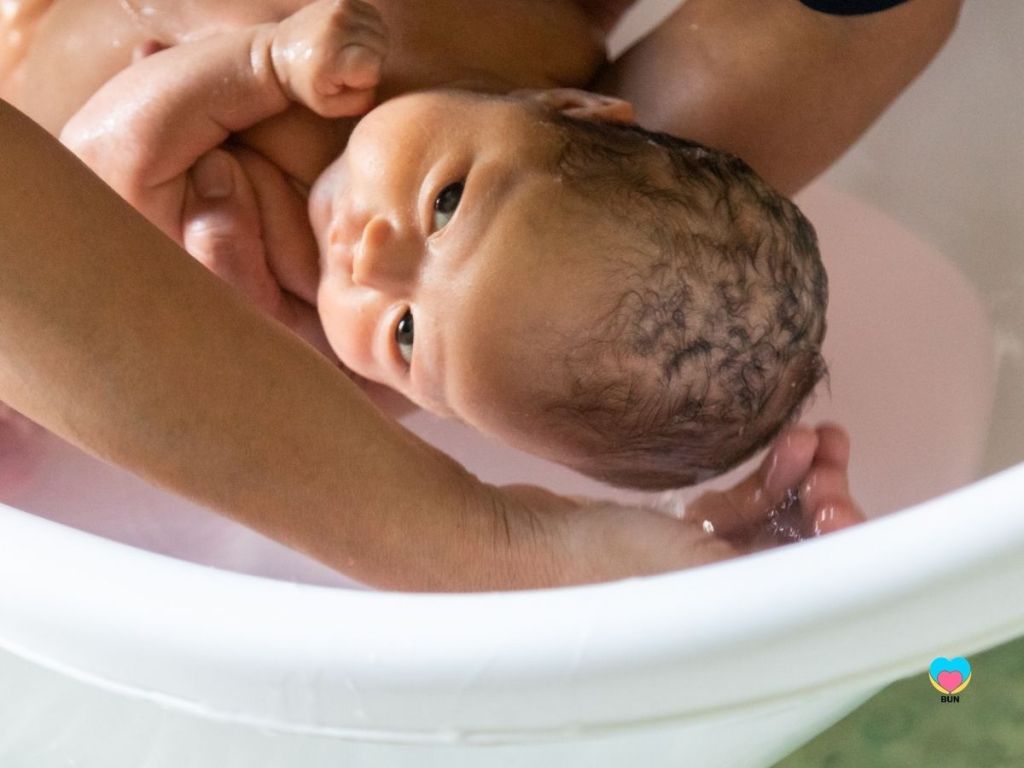
Building Connections Starts the Moment they are Born
During the first three months of life, your baby’s brain is growing at an incredible pace. They are sponges!
Newborns don’t need electronics, noise, or to be left alone. They need their person…to talk, play, hold, and love them as much as possible. This is where the actual sensory newborn actions come to play.
As a mama, I can also understand the need to want to do activities with your newborn outside or indoors that stimulate their mind… but without overstimulating yours!
Sensory newborn experiences help build neural connections, support motor development, and strengthen your bond — without overstimulating your newborn.
You might be wondering what to do on rainy days with your newborns, or how to manage any fun with your child when you are still trying to soothe and heal yourself from giving birth.
So just do what you can, don’t do too much, and pick a few core activites from this list you love and sprinkle in the rest.
The key at this age is gentle, short, and interaction that is engaging.
I know… it seems like a newborn can’t do much, but they are doing SO much at this stage.
Just the sound of your voice and holding them close is hugely affecting them in their brain development and bonding with you. Eventually, that bonding will pay off in extra snuggles, connection, and a long-lasting effect as you raise your child.
Below you’ll find 20 newborn sensory activities that bring you and your baby closer, plus an age breakdown and a printable tracking list to help you stay consistent without feeling overwhelmed.
PRO TIP: If they have siblings, let the siblings engage too! Give them doable activities and let them play, touch, and talk to their baby sibling. This increases bonds and starts many more windfalls of love, connection, helpfulness, and empathy (amongst the chaos).
Why Sensory Play Matters for Newborns (0–3 Months)
In the newborn stage, sensory play supports:
- Brain development and neural connections
- Shaping their head in a healthy progression – Keeping them from a constant lay down position so they do not get a flat head and helps their skull naturally progress, strengthen, and shape properly.
- Visual tracking skills – Newborns have blurry vision and start tracking at around 2 months. Strengthening their vision skills supports this development.
- Early motor coordination
- Body awareness – This takes time for babies to feel they are separate from their mother’s body, but the process has many layers and starts early.
- Emotional bonding and attachment – A must for babies as studies show they grow best when close to their mother.
- Self-regulation
At this age, sensory play does not mean busy toys or loud stimulation. It means connection, contrast, movement, and calm interaction.
Time to do newborn sensory activities
Sessions should last about 3–5 minutes, depending on your baby’s alertness and cues.
If the baby is fussy and/or looking away, they usually are over-stimulated and need a break.
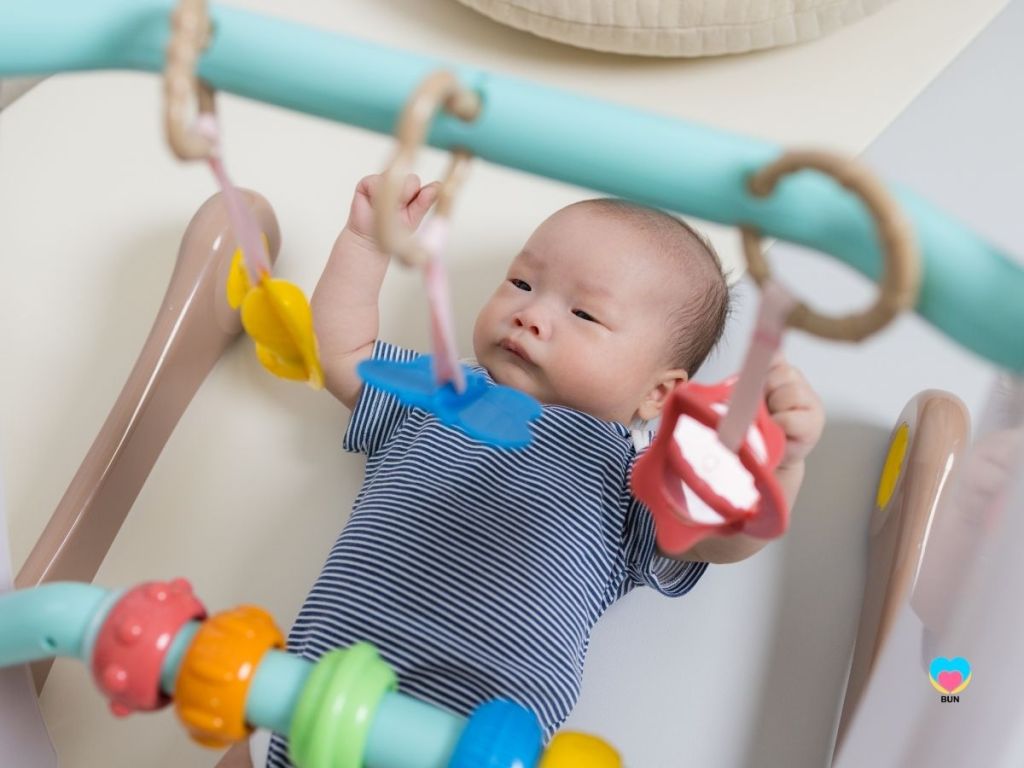
20 Newborn Sensory Activities (0–3 Months)
1. High-Contrast Flashcards
Newborns see best in black and white. Hold high-contrast cards 8–12 inches from your baby’s face and allow them to focus and track slowly.
2. Black and White Mobile Watching
A simple high-contrast mobile above the crib or play area encourages visual tracking.
3. Gentle Tummy Time Textures
Place a soft muslin cloth, textured blanket, or smooth mat under your baby during tummy time for light tactile stimulation. Switch the textures up when you do this. Be sure it’s supervised while your baby is practicing tummy time.
4. Skin-to-Skin Contact
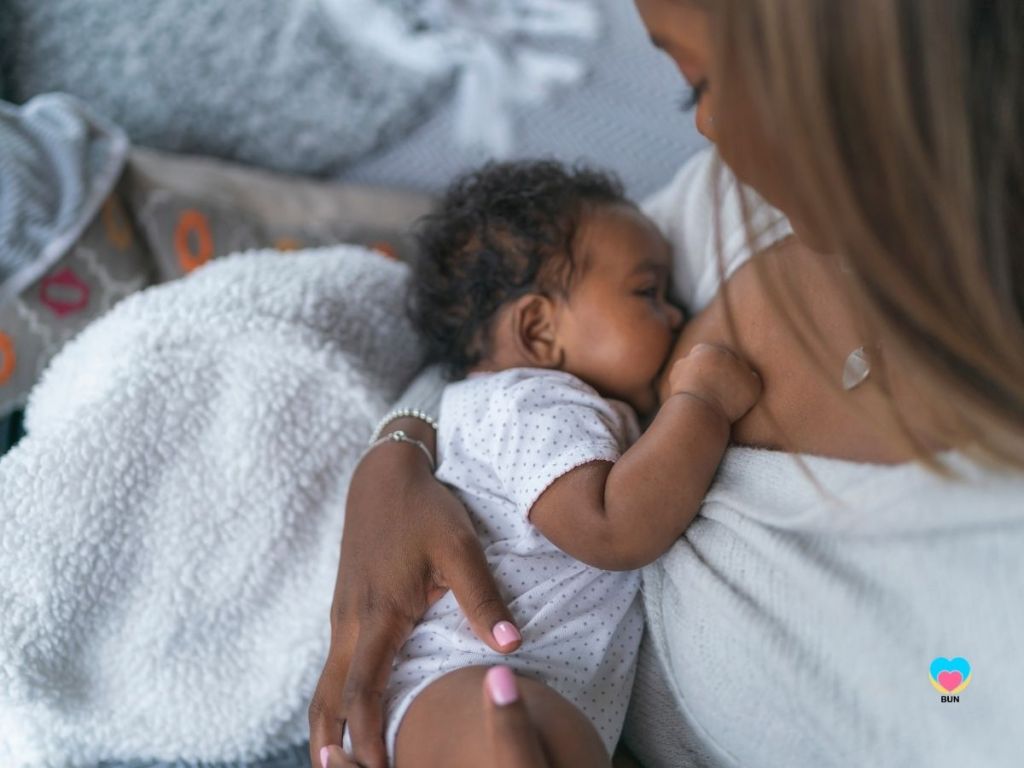
One of the most powerful sensory experiences. Supports regulation, bonding, and temperature control. You can do this when nursing your baby, in the morning when they wake up, and anytime.
Daily skin-to-skin is important in regulating your newborn and building that long-term connection with them. They can feel your heartbeat and feel your warmth.
Nursing your baby is skin-to-skin. Wear breastfeeding-friendly clothing that allows you ease to feed your baby in public, and go outside with your newborn so they can feel the surroundings while never compromising being fed when they need it.
5. Parent Voice Tracking and Funny Sounds
Slowly move your face side to side while speaking softly. Encourage your baby to follow your voice and face.
Make sweet, soft, but high-pitched talking vocals.
Make funny sounds like a soft sneeze, snore, or laughing sounds and see how your baby reacts. Soon, they will try to mimic and talk back to you!
6. Mirror Face Exploration
Place a baby-safe mirror near your newborn during tummy time. They may not recognize themselves yet, but visual contrast fascinates them.
They especially love faces up close, contrast colors, and seeing their caregivers face up close and personal!
7. Gentle Baby Massage
Use slow, gentle strokes after bath time to provide calming tactile input.
8. Soft Music Listening
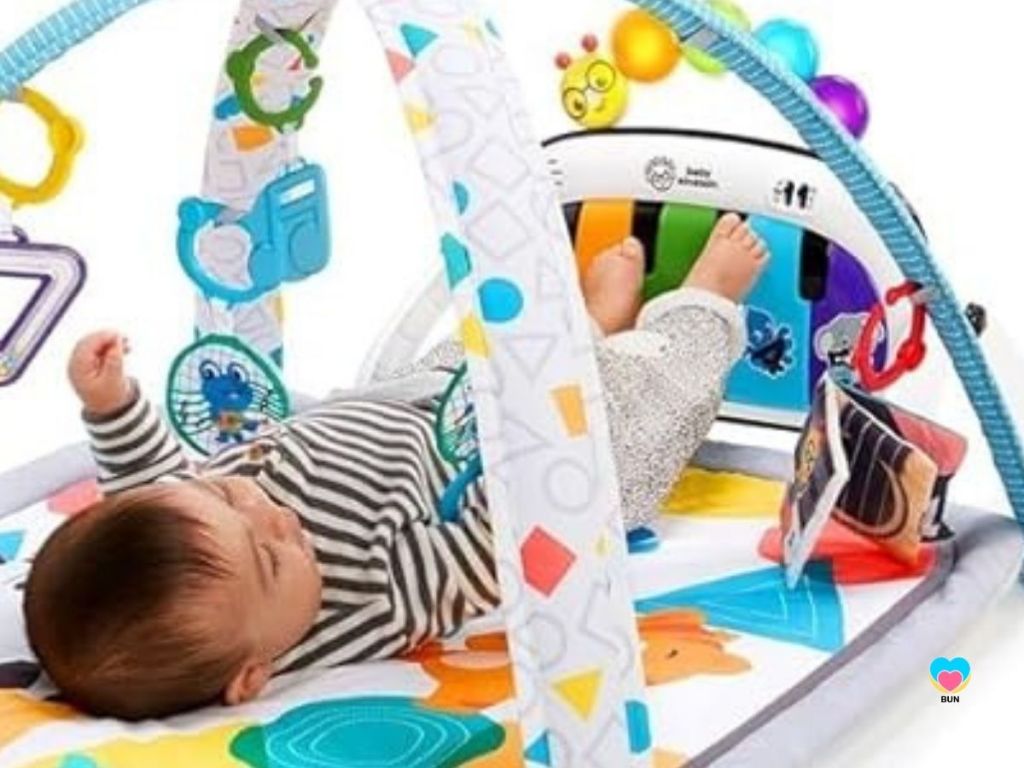
Play quiet instrumental music and observe how your baby responds. Baby safe instruments, rattles, and toys with sounds in them are also engaging.
A baby kick piano is a very long-lasting toy that works as a play mat, mobile with textures, and works them for tummy time. It increases leg strength once their feet start to touch the piano, and you can press the keys for fun sounds.
9. Ceiling Fan or Light Watching
Simple moving objects in the room help support visual focus. I used to love getting a flashlight and just making some light movements on the wall for baby to watch and observe.
10. Outdoor Light Observation
Sit near a shaded window and allow your baby to observe natural light changes. Let them hear the leaves or even the sound of the garbage truck. They will soon run to the window to see these things!
11. Soft Fabric Exploration
Let your baby feel cotton, fuzzy fabric, or fleece gently against their hands and feet.
12. Hand-to-Hand Play
Help your newborn bring their hands together in a clapping motion at midline to build early coordination.
Bring their hand to their head and say “head”. Do the same for belly, feet, mouth, and so on. This helps them learn parts of the body.
Play itsy-bitsy-spider and use your hands.
See if over time, they start to imitate you and if their eyes follow your hands.
13. Slow Dance Movement
Hold your baby and gently sway. This supports vestibular (movement) development.
Babies calm with swaying and being held. Give your arms a break and use a baby wrap or carrier.
14. Rattle Sound Tracking
Gently shake a soft rattle and move it slowly from side to side.
15. Gentle Foot and Tracing Play
Lightly touch and press your baby’s feet during diaper changes. Count toes. Wiggle them.
Trace gently with your finger on their hands, face, and back. These sensations build their awareness of touch on their skin.
16. Baby Wearing or Walking around the House
Wear your baby. Put them in a baby wrap and walk to places, or just hold them and walk around in the house.
I used to baby wear at home and get some household things done and just even walk around and show baby the plants or outside the window.
All these little things make big impacts on your newborn’s development and tolerance of seeing new things, being outside, moving around, and it builds curiosity.
17. Reading in a Calm Voice
Your tone matters more than the story. Rhythmic speech builds auditory processing. Use soft, but slightly high-pitched sounds that newborns love to hear.
Read black and white books with high contrast to stimulate their vision while you read.
18. Soft Light Changes
Dim lights gradually during evening wind-down routines.
19. Warm Bath Sensory Time
One of my favorites! Water temperature, gentle splashes, and your voice create a multi-sensory experience. Raindrops, songs, and gentle splish spashes. As said, always supervise the baby and never ever leave them around water.
20. Quiet Cuddle Time
Sometimes the most powerful sensory input is simply being held and comforted. It may seem like this is where you spend the most time… but it is the most important time.
Age Breakdown: Sensory Activities by Development Stage
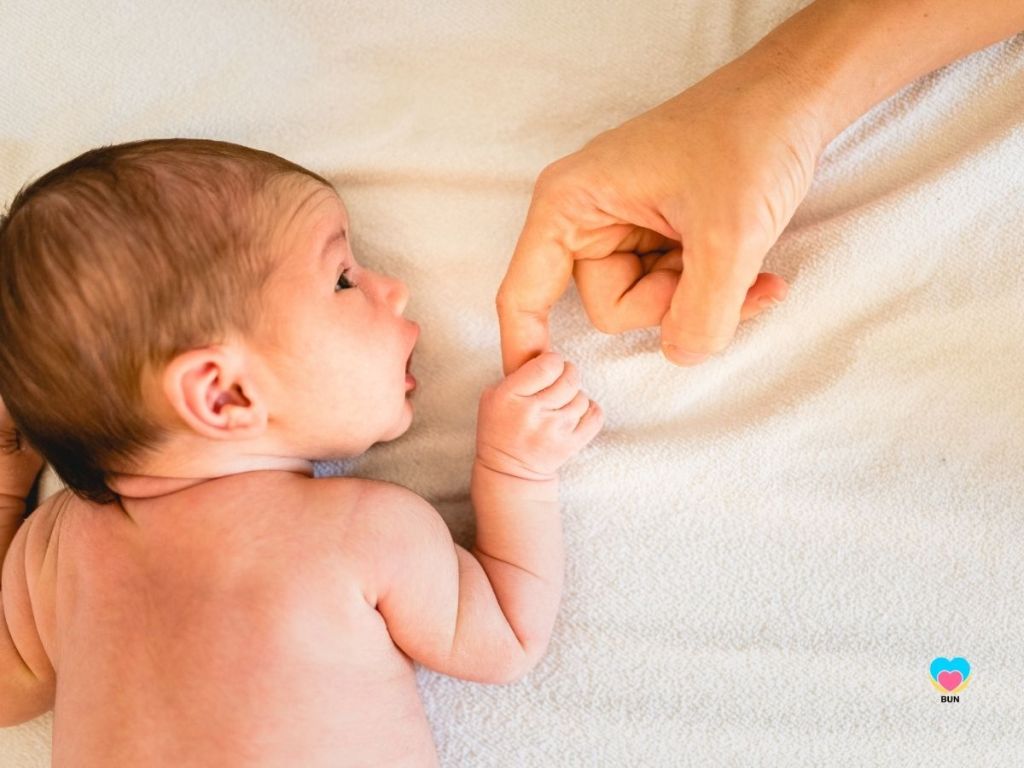
Every baby develops at their own pace, but here’s a general guide:
0–4 Weeks
Focus on:
- Lots of Skin-to-skin contact
- High-contrast visuals
- Gentle voice interaction, songs, and reading
- Light tummy time (1–2 minutes)
- Slow rocking
- Baby wearing or holding and walking around
Keep sessions very short. Watch for sleepy cues quickly. See if they look off to the side… usually means they are done. Try to do these newborn sensory activities during the morning and after naps when they are alert.
4–8 Weeks
You may notice:
- Improved eye contact
- Beginning visual tracking
- Longer alert windows
Introduce:
- Rattle tracking
- Mirror exploration
- Slightly longer tummy time
- Soft music sessions
- Holding more objects, feeling more textures, seeing more colors.
- Repeat all previous activities in the early weeks, just with more advancement in movements to support their growth and capabilities.
8–12 Weeks
Babies often:
- Smile socially
- Bring hands toward midline
- Track objects more consistently
You can increase:
- Hand-to-hand play
- Gentle texture exploration
- Outdoor observation
- Movement-based play
Still keep stimulation calm and responsive.
Printable Newborn Sensory Tracker (0–3 Months)
Try a tracking sheet if you would like to go through the list of newborn sensory activities.
Pick just a few to focus on daily (example: tummy time, skin to skin, looking around, bath time play), then add in the other activities when you can,
Rotate 2–3 activities per day.
You do not need to complete all 20 every week. Consistency matters more than variety.
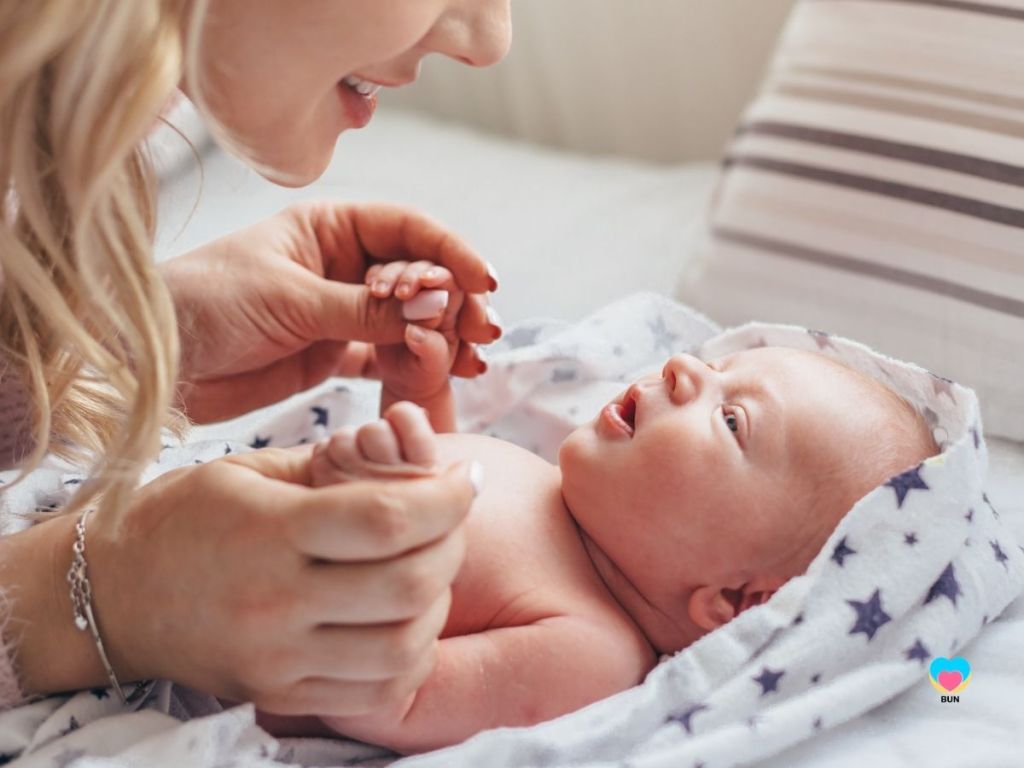
Safety Tips for Sensory Play
- Always supervise your newborn
- Keep sessions short (3–5 minutes)
- Watch for signs of overstimulation (turning away, fussiness, yawning)
- Avoid loud or flashing toys
- Follow your baby’s cues
Newborn sensory activities should feel calm and bonding — not overwhelming.
If the baby isn’t into it, switch or just go to swaying and holding as a calming activity.
Frequently Asked Questions
When should I start sensory activities with my newborn?
You can begin gentle sensory activities from birth. Simple interactions like talking, holding, and high-contrast visuals are developmentally appropriate right away.
How long should sensory play last for a 1-month-old?
Most sessions should last 3 to 5 minutes. Newborns tire quickly.
Can sensory play overstimulate a newborn?
Yes. Signs include fussiness, looking away, stiff body posture, or sudden crying. Stop and allow your baby to rest.
Do newborns need toys for sensory development?
No. Your voice, face, and gentle touch are the most powerful tools during the first three months. Toys can certainly be a nice complement, but nothing can take the place of human interaction.
Supporting Your Postpartum Journey
If you’re preparing for your newborn, these guides may also help:
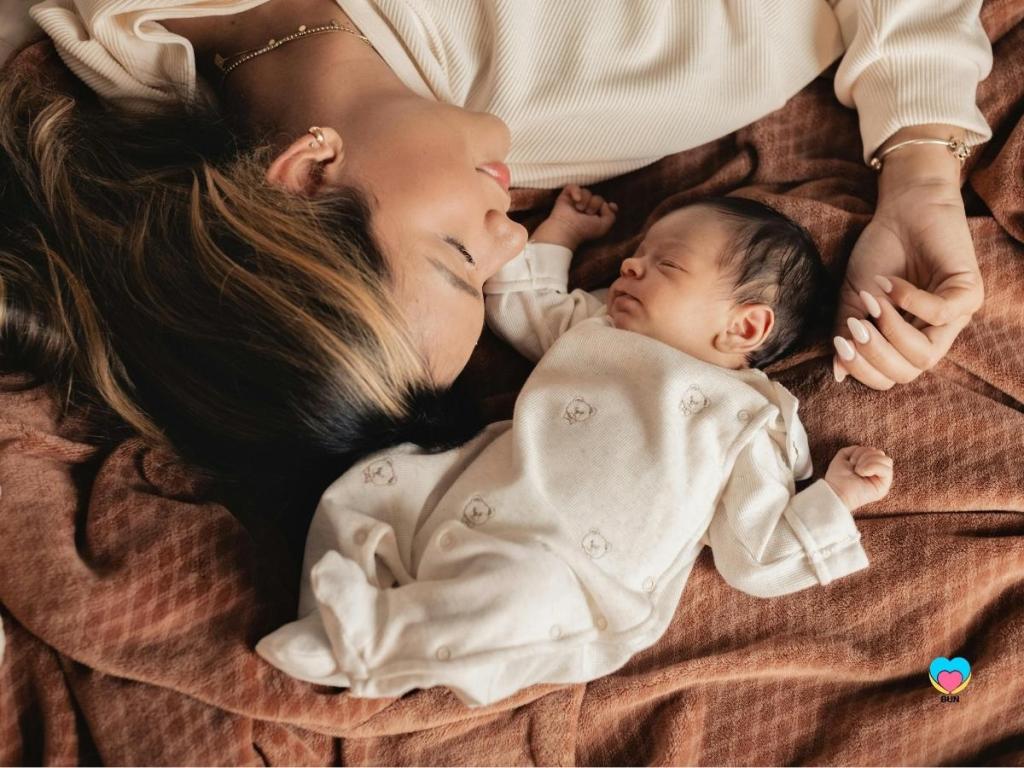
Early weeks can feel overwhelming. Keep it simple. Focus on bonding, rest, and gentle stimulation. Even sitting on the couch IS work! You are taking care of the most delicate thing on Earth, a newborn.
Take care of your health, mind and body.
Going outside is helpful and starting to incorporate these activities outdoors at the park or playground on a blanket can do wonders for the spirits of mother and baby.
You don’t need complicated toys to support your baby’s development. You are already enough.
 Pregnancy and Nursing
Leave a comment