Knowing newborn safe sleep tips is essential! Do not go into postpartum life without the safe sleep must dos to help your baby live its best life. When you bring your baby home, sleep suddenly becomes one of your biggest concerns—both for your baby and for you. Newborns sleep up to 16–17 hours a day, but how they sleep matters just as much as how much they sleep. The right sleep setup can protect your baby and give you peace of mind.
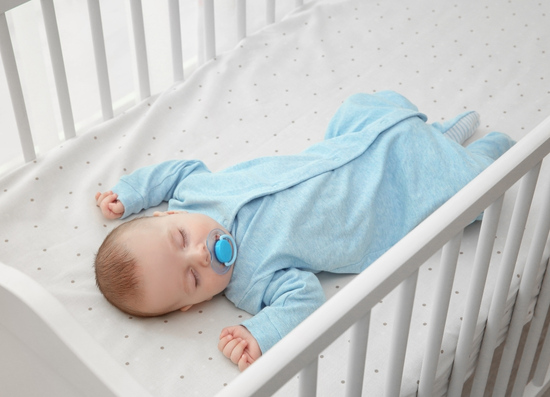
As a mom focused on the last stages of pregnancy and postpartum life for new moms, I’ve cut through the noise and endless advice to give you the safe sleep essentials—the things that truly matter to help your newborn sleep safely, soundly, and comfortably.
- Why Safe Sleep Matters
- Best Safe Sleep Tips for Newborns
- What You Don’t Need for Baby Sleep
- Quick Safe Sleep Checklist
Why Safe Sleep Matters
Practicing safe sleep habits is one of the most effective ways to reduce the risk of Sudden Infant Death Syndrome (SIDS) and other sleep-related dangers. Creating a consistent, calm sleep routine also helps your baby learn healthy sleep patterns early on.
Safe sleep isn’t usually complicated—it’s all about simplicity and consistency. No matter what, consult your health care provider to go over the sleep setup you have with your baby if there are any questions and issues.
Best Safe Sleep Tips for Newborns
1. Always Place Baby on Their Back
The safest sleep position for your baby is on their back, every nap and every night. This allows for clear airflow and keeps their airway open. Babies will also turn their head and that allows airflow.
NEVER put them to sleep with milk bottles in their mouth. It increases risks.
2. Use a Firm, Flat Sleep Surface
Your baby’s crib or bassinet mattress should be firm, flat, and covered only with a fitted sheet. Skip pillows, blankets, and positioners—they increase suffocation risks.
Forget the Pinterest and aesthetic images with cribs full of drapes, blankies, stuffed animals, pillows, and fur things. Nope. Nope. Nope. Bare is best.
3. Keep the Crib Bare
This goes back to the second tip. Less is best. No stuffed animals, bumpers, sleep positioners, or loose bedding. A fitted sheet and a snug swaddle (or sleep sack) are all you need.
4. Share a Room, Not a Bed
For at least the first 6 months, experts recommend keeping your baby’s sleep area in the same room as yours.
Place their bassinet or crib beside your bed, but never on the same sleep surface.
You might trust yourself not to lay over on them, but a bed with maybe two adults and sleepy people is no match for a tiny baby.
A swivel bassinet with mesh sides next to the bed is ideal and a safe space for your new bundle of joy. The HALO Bassinest lasted me more than one baby and was a dream item, but there are many kinds to choose from with different price points. The safe sleep space is worth the investment.
5. Dress Baby for the Room Temperature
Overheating increases risk, so keep your baby in light, breathable layers. Cotton or bamboo sleep sacks are ideal. If you’re comfortable in the room, your baby likely is too.
I get it, it can be tedious to check if baby is too warm or cold, but once you get the hang of it you will see that baby likes a certain amount of pajamas and they sleep better when they are at the right temperature.
Be mindful of fans, air conditioning, or heating devices in your home. It’s very important to have them in a safe space and check they are comfortable.
6. Avoid Inclined Sleepers and Loungers
Products that position your baby at an angle, like inclined sleepers, bouncers, swings, or loungers, are unsafe for sleep. Babies can slump forward and block their airway. Not worth it. Start them getting used to the safe place to sleep (on their back in a flat surface like the bare crib/pack in play/bassinet).
7. Offer a Pacifier at Sleep Time
Pacifiers have been shown to lower the risk of SIDS. If your baby takes one, offer it for naps and nighttime sleep (but don’t force it). Some babies just don’t like them!
8. Keep Smoke Away
Avoid exposing your baby to smoke, vaping, or strong scents around their sleep area. Clean air supports safe, deep sleep. Overall, smoke shouldn’t be around your baby at all.
9. Maintain a Cool, Quiet Sleep Environment
A room temperature around 68–72°F with soft white noise helps babies settle and stay asleep longer. Some sound machines are like the sounds they heard when they were in your belly and work well for new babies. Just keep the sound machine outside of the sleep space.
10. Practice Consistent Sleep Routines
Simple bedtime cues—like dimming lights, a soft lullaby, or a feeding—signal to your baby that it’s time to rest. Consistency builds good sleep habits over time.
While babies sleep is a bit crazy in the beginning, you can start a sleep or nighttime routine from the first week and then keep that for most of their entire childhood.
A good example is after dinner (baby feeding) they have a nice bath, some unwinding, books, then sleep. Of course, newborns and small babies will have more feedings and their needs will evolve, but finding a decent hour of the evening to get this type of night routine going can become your best friend for many years and encourage most children to get used to anticipating bedtime.
What You Don’t Need for Baby Sleep
New parents are bombarded with products claiming to make sleep “safer” or “easier.” Truthfully, most are unnecessary—and some can even increase risks. Skip:
- Crib bumpers
- Weighted blankets or hats
- Wedge or positioner pillows
- Plush toys in the crib
- Docking-style loungers for overnight sleep
Keep it simple. Safety doesn’t come from more things—it comes from fewer.
Quick Safe Sleep Checklist
✅ Baby sleeps on their back
✅ In a bare, firm crib or bassinet
✅ Room-shared, not bed-shared
✅ Dressed lightly, no loose blankets
✅ Pacifier optional for naps and nighttime
✅ Cool, quiet environment
Safe sleep doesn’t have to be stressful. It’s about creating a calm, uncluttered, and predictable space for your baby to rest. The simpler the setup, the safer the sleep.
You’ll rest easier knowing you’re giving your newborn the safest possible start.

 Pregnancy and Nursing
Leave a reply to Ultimate Baby Nursery Checklist: Only the Essentials You Actually Need – Pregnancy and Nursing Cancel reply