Do I need a birth plan, and how will I plan to give birth are two of the most important questions a pregnant person is ever going to ask themselves. The answer is, yes! Having a plan, knowing what you want, what a birth plan includes, and how you will speak about it are all things to think about. Whether you do a home or hospital birth, this guide will help you and go through the scenarios with you.
- What Is a Birth Plan?
- Benefits of Having a Birth Plan
- What Should Be Included in a Birth Plan?
- When Should You Write a Birth Plan?
- How to Tell Your Doctor, Doula, or Health Team About Your Birth Plan
- Sample Birth Plan Checklist
- What not to Do
- FAQs
- Related Articles
The truth is, a birth plan isn’t about controlling every moment of labor because the future is unknown. Birth is unpredictable, BUT a birth plan helps you communicate your preferences, prepare for different situations, and ensure your healthcare team and support people understand what matters most to you.
Having a baby willy-nilly, let’s just see what happens, isn’t the ideal situation.
Sooooo, at the least, get the draft of what you wish to expect… when you’re expecting.
Right now, you’re into the nesting phase of pregnancy, and you may dream of having an unmedicated birth, being in the hospital, an epidural, a scheduled cesarean birth, or giving birth at home.
With that said, creating a birth plan can help you feel more informed and confident before labor begins, which makes the whole process a lot smoother and relaxed.

What Is a Birth Plan?
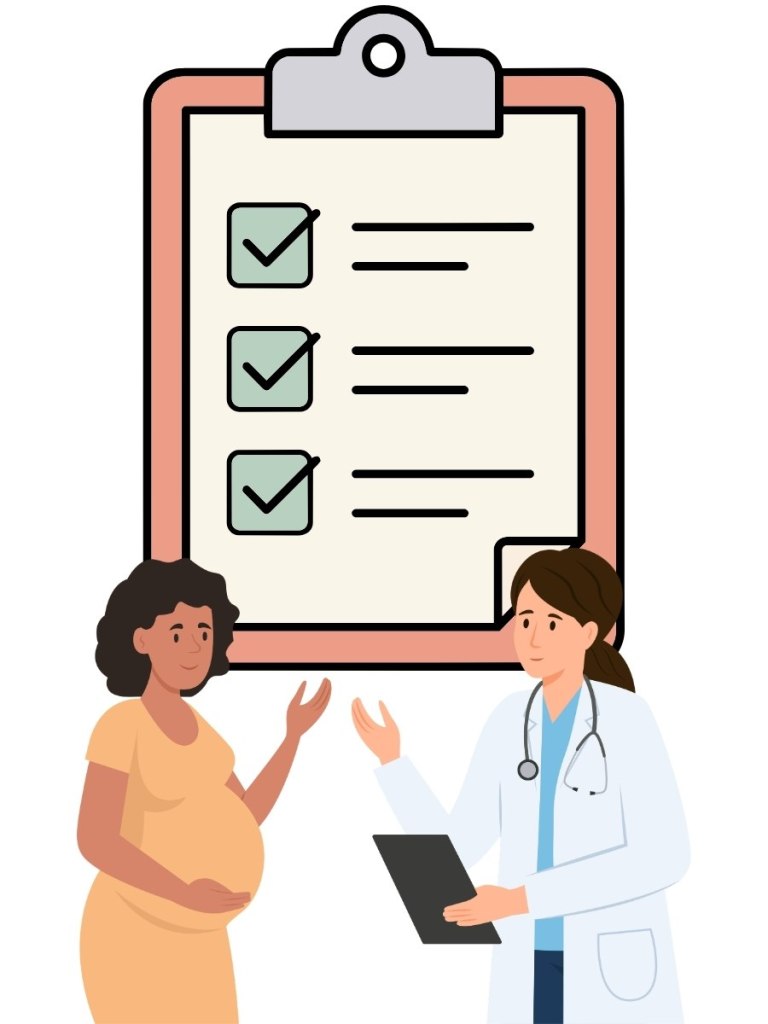
Simply put, a birth plan is a written document that outlines your preferences for labor, delivery, and the care of you and your baby after birth. If you don’t want to write it down, then tell it to someone and have them write it down.
Why? Well, giving birth is something that you’re not going to want to explain about your birth plan all over again.
Think of it as a communication tool rather than a strict set of rules.
While birth can be unpredictable, a birth plan helps your healthcare team, birth partner, and support people understand your wishes so everyone is on the same page. It’s safer, smarter, and proactive about what is to come.
It isn’t a contract, and it’s important to stay flexible in case your medical needs or your baby’s needs change during labor.
A birth plan may include preferences such as:
- Whether you’d like an epidural or prefer an unmedicated birth – Letting your doctor know this beforehand prepares them for what they need and their bedside manner.
- Who you want in the delivery room – Do you want all the aunts and uncles in there? No? So letting your care team know is good… they can tell people to leave without you seeming like the bad guy.
- Your preferred labor and pushing positions – Very important! Homebirths have a lot of different ways to deliver so having this is mind can help set you up for success.
- If you’d like to move around during labor or use a birthing ball – Your support person, if you have one, can help you move around so you don’t fall.
- Whether you want delayed cord clamping – Personally, I did this and it wasn’t a huge delay, but I did relay that info in my birth plan. Otherwise, the doctor might not know you want this.
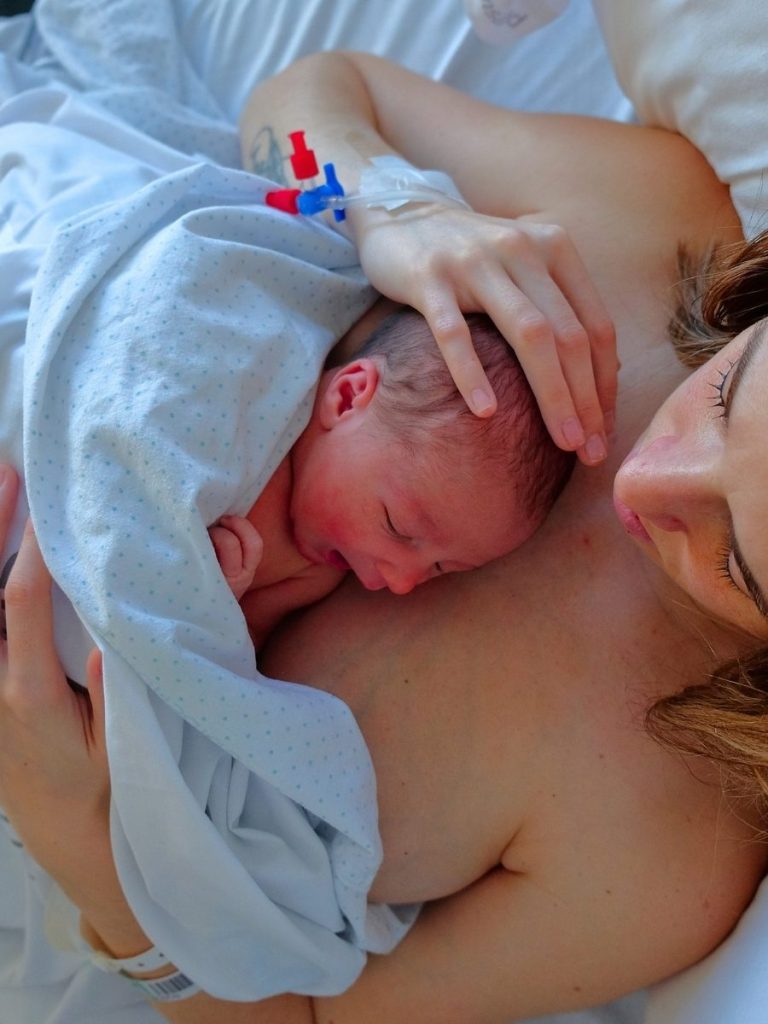
- Your preferences for skin-to-skin contact after birth – So important! Skin to skin, if all is well, is a great way to start breastfeeding your baby and practice the latch right from birth. The baby wants to feel your skin and warmth. It’s a very special moment.
- If you plan to breastfeed or bottle-feed – Important! If you plan to be all breastfeeding, they can send a lactation consultant to help you. If you want to bottle-feed, then the newborn formula can be ready. If breastfeeding isn’t taking off… you should absolutely have a pump on hand and even consider giving formula. There are lots to consider in this area.
- Whether you’d like dim lighting, music, or a quiet room – Do you have sensory needs? This is something that can be vital to your comfort when giving birth.
- Who will cut the umbilical cord – If you have a wish for this, then having that communicated before baby is born is necessary.
- Your preferences if a cesarean birth becomes necessary – Who will be there to support you and your recovery plans are vital when having a C-section.
Got your birth plan down? Then get your birth checklist for what to bring to the hospital.
Types of Birth Plans
Consider the type of birth you are planning to have when designing your birth plan.
- Hospital birth
- Birth center
- Home birth
- VBAC
- High-risk pregnancy
- Planned C-section
- Twins
- Induction
Do You Actually Need a Birth Plan?
Short answer:
No.
But almost everyone benefits from thinking through their preferences.
Imagine going into labor and your support person, if you have one, has no clue what you want or what you need. In addition, you may wish to have certain people in and out of the room.
Breastfeeding and things like skin-to-skin are important so the nurses and doctor can help you connect with your baby during a time that can be overwhelming and filled with emotions.
Possibly having a birth plan is integral if you have medical issues or pre-existing conditions that your healthcare team needs to know about to make your birthing experience more successful.
So with that said, it’s like many things in life. Having a birth plan is a benefit and can only help manifest and create a sense of security during a monumental life moment.
Who Should Receive Your Birth Plan?
Not everyone needs to know your birth plan. Select from the list and don’t worry if not everyone makes the cut. Just communicate the birth plan to the ones who will be delivering your child and the person(s) you might be counting on to be there.
- OB
- Midwife
- Doula
- Birth partner
- Hospital nurse
- Support person
- Family

Benefits of Having a Birth Plan
- Helps reduce anxiety, panic, and frustrations
- Creates more peace of mind, especially since relaxation is important during pregnancy
- Encourages education and research into what you need during and after birth and what is best for your baby
- Opens conversations with the healthcare team and lets them get to know you, which is actually safer for you and the baby.
- Helps the birth partner advocate or your support person(s)
- Prevents forgetting preferences during labor, which can definitely happen!
- Creates realistic expectations
- Makes decision-making much easier
What Should Be Included in a Birth Plan?
- Personal information – Things like your name, home address, and emergency contact… all valid and good to know. Medications you need, or anything you need support with, should be listed.
- Hospital, Doctor – Where and who is supposed to deliver your child?
- Emergency contacts and Support people – This is important. Childbirth is no joke; having contacts on hand makes it easier for everyone, for whatever reason could arise.
- Labor preferences – Positions, comfort, movement, and environment may all matter to you when giving birth.
- Pain management – This is very important! Do you need breathing exercises, prenatal classes to help with how to manage pain, will you have an epidural… definitely plan this one through and consider the “what ifs”.
- Such as, “What if I want it all natural and then decide I want more pain management?” That’s okay! Just communicate your needs so you can be supported.
- Food and drink – Plan out some ideas on how you will manage your food and drink once you start going into labor.
- Talk to your healthcare team about what they expect of you when you go into labor, and what you should be eating and drinking.
- Lighting, Music, Photography – In today’s world, you might want a photoshoot or video of your birth. That’s cool! You’ll need to plan and communicate that. Be sure what you will be allowed and have it confirmed well in advance of your due date.
- Need some tunes? Check with your team what is allowed so you can be prepared how you will have music, how loud it can be, what you can listen to, and when the music can be on.
- Pushing positions – How you will push might be told to you, and if you have wishes regarding how you want to push, you should absolutely communicate this need so it can be figured out. It might not work out how you want… or maybe it does. Nonetheless, you need to know beforehand.
- Delayed cord clamping, Eye ointment, Vitamin K – All things that happen to the baby once the baby is born are good to be aware of, the benefits, and why it is necessary, so you are not surprised after labor.
- Breastfeeding, Skin-to-skin – There are a ton of benefits to breastfeeding and/or skin-to-skin right after the baby is born. Communicating your preference can be very important to your team because they can anticipate what mom wants and how you want to experience that very first hour with your baby.
- Placenta Delivery – Fun fact! Labor doesn’t just happen once… it happens twice! Yes, crazy, right? The placenta will make its way out after the baby is born, and so if you have something planned for that, the time is now to tell your doctor/healthcare team.
- Visitors – It’s so wild how you can be in the middle of painful labor, and some people will want to be sitting right there with you. It can be seen as a nice thing, but also, labor can be a lot! That’s an understatement, so to focus and relax, you might need fewer people in the room.
- Or… maybe you want everyone there! Communicate this in your birth plan, so your support people can help you out in navigating the visitors during and after labor.
- Circumcision – This is tough for any new mom, and actually, I will tell you, they numb your baby with a topical cream, and then it’s done without pain, and your baby is perfectly good. I get that may not be for everyone, and then some people choose this. You will get asked about this… so examine your thoughts and be prepared to answer.
- Cesarean preferences – This is so important to review C-section thoroughly with your doctor and all the things about what to expect, and also expectations with seeing your baby after birth, recovery timeline, and support.
- Emergency preferences – You’re going to be asked about things like medicine, what if you need help, or if there is an emergency… what would be your plan? It can be uncomfortable, but the answers are required and this creates more safety and security for you and your baby.
- Postpartum wishes – This covers a lot of the above, and also considers what your recovery will be like.
- How many days in the hospital or in a space for recovery? Do you need certain medical devices, support, or help, especially if you have a C-section?
- Have a strong idea your vision for how you will begin recovery and also connect with your baby right after birth.
- Fourth Trimester Plan – Have you heard of this? Probably not, but I am creating this as a very important part of the list. I’m not sure if I’m the first or not to bring this up, but what about help and a plan in the days, weeks, and months after giving birth? This has to be part of the birth plan because it happens starting on day 1.
- Do you have a safe home to go to, is your nursery checklist all done, are you alone or have support in your life? What about getting outside the first week or how will you breastfeed successfully once you arrive home?
- Take time to read up, get help, and find the plan for when you get home. Returning home with your baby is as important as the birth plan during labor.
When Should You Write a Birth Plan?
How you feel at the beginning of pregnancy can evolve as the weeks get closer to the due date.
With that said, start your birth plan when you’ve done some research, thought about what you want, and feel the most confident in your pregnancy.
Closer to 34 weeks and beyond seems to be a time when people feel closer to the due date and begin to anticipate the big day. So when you’re in this special time of the third trimester, get some things jotted down on paper and start your birth plan.
This should be plenty of time and space to create your ideal plan and revise and edit as needed.
Give yourself time to examine it and then find the moment to share this birth plan with your healthcare team and any support people, at least three weeks before the due date.

How to Tell Your Doctor, Doula, or Health Team About Your Birth Plan
Bring your birth plan to one of your prenatal appointments, ideally around 32 to 36 weeks of pregnancy, so you have plenty of time to go through your birth plan and possibly learn something, weed out things, or add new things to the list.
Remember, your birth plan is meant to convey your ideas and have a conversation… but it’s not about demands or “must-haves”.
Keep the discussion like a collaboration by asking questions.
Mindset… be super open to the doctor’s or health team’s recommendations if unexpected situations arise during labor.
Here are a few helpful questions to ask:
- Does this birth plan align with your usual approach to labor and delivery?
- Are there any preferences that may not be possible at this hospital or birth center?
- Under what circumstances might my birth plan need to change?
- How will the nursing staff receive and review my birth plan?
- Should I bring copies to the hospital?
- Is there anything you recommend adding, editing, or removing?
- Can I do x,y,z?
Sharing your birth plan ahead of time helps ensure everyone understands your preferences and can work together to support a safe and positive birth experience.
Should Your Birth Partner Read Your Birth Plan?
Definitely. If you have a support person, fill them in so they can advocate for you and also help you with what you need before, during, and after birth.
Even if it is as simple as telling family that they can’t be in the room while you are in labor (if that is what you would like)… it can be a huge help!
Sample Birth Plan Checklist
Basic Birth Plan Example
What not to Do
There are some things to keep in mind when creating a birth plan that is best to avoid, such as:
Making it too long, too complicated, too specific or drawn out – Make specifics short and sweet with openess to being flexible.
Refusing all interventions – Things happen that can be unpredictable; birth is nature taking its course, so let the experts guide you as needed.
Being inflexible – This is like the statement above; inflexibility can put a block to a successful birth, so be open to change, advice, and the “what ifs”. Intuition and your wants do matter, but you must be flexible.
Not discussing with doctor – Never having a birth plan discussed with your birth team is against the whole point. Your wishes need to be communicated so everyone can be on the same page and make adjustments before childbirth happens.
Last minute, writing it at 39 weeks – Baby will come when they want to come (many of the time) so give your healthcare and support people plenty of time to prepare and be ready for you and baby.
Forgetting partner – Fill them in! Let them know what you need and your wishes so they can help facilitate and communicate when needed.
Not packing copies – In case you like a checklist and don’t want to miss anything, a copy is good to have on hand in your birth bag or keep in the notes of your phone.
FAQs
Is a birth plan required?
Not usually required, but very much advised so your doctor and support people can understand what you would like during childbirth.
Can the hospital ignore my birth plan?
The experts in your healthcare team will guide you where necessary and may or may not be able to meet you at every detail. It’s important to stay open-minded to changes.
Can I change my birth plan?
Yes! Communicate with your team what the changes are and how they can meet you with those changes.
What if I end up needing a C-section?
Consider what-ifs and be open to changing the birth plan as necessary. Discuss with your professional the concerns, well before your due date.
Can I use the same birth plan for every pregnancy?
Not always. Sometimes the type of birth you will have can change so adjust as needed, based of what you know and think the most possible outcome will be.
Creating a birth plan is a wonderful way to prepare for labor, communicate your preferences, and feel more confident as your due date approaches.
While no two births are exactly alike, discussing your wishes with your healthcare provider and staying flexible can help you have a positive and empowering birth experience.
Above all, remember that the most important goal is a safe delivery and a healthy mom and baby.


Leave a comment